Treatment of Digestive Diseases at the Kazakhstan Sanatorium in Essentuki

Essentuki is rightfully considered Russia’s main gastroenterological health resort. The Kazakhstan Sanatorium treats diseases of the stomach, intestines, liver and pancreas. Its programs are based on local mineral waters and modern medical methods.
Why choose Essentuki for gastrointestinal treatment?
The resort’s specialization in digestive diseases developed due to three key factors:
- Mild climate. The resort is located in the foothills of the Caucasus, where there are no sharp changes in temperature or atmospheric pressure. This reduces the load on the nervous system, which is connected with intestinal motility and gastric secretion.
- Natural resources. Essentuki mineral water helps normalize the acidity of gastric juice, improves motility and stimulates bile flow. Therapeutic mud reduces inflammation, improves blood circulation in the abdominal organs and accelerates recovery of the mucous membrane.
- Resort environment. Meals and procedures follow a schedule, with daily walks in the fresh air and proper sleep. The body comes out of stress, and the digestive system recovers.
When is sanatorium treatment for the gastrointestinal tract recommended?
Sanatorium treatment is prescribed only when the disease has subsided. If you have an exacerbation, severe pain, nausea, vomiting or fever, you should not travel. Acute symptoms must first be relieved. Once the condition is stable, you can come to the sanatorium to consolidate the result.
Indications for sanatorium treatment:
- Chronic gastritis or pancreatitis worsens more than twice a year.
- After gallbladder removal or stomach surgery.
- Constipation or diarrhea persists despite diet.
- Persistent bloating and pain, including irritable bowel syndrome.
- Excess weight associated with metabolic disorders.
- Prevention of exacerbations before autumn or spring is needed.
What digestive diseases are treated at the sanatorium?
The sanatorium’s gastroenterological profile covers functional and chronic disorders of the gastrointestinal tract. The approach focuses on restoring digestion, normalizing motility and reducing inflammation without placing sudden stress on the body.
Stomach diseases
Indications include chronic gastritis with any level of acidity, peptic ulcer disease at the scarring stage and gastroesophageal reflux disease. Unlike a typical outpatient approach, the sanatorium works not only with symptoms but also with the cause of inflammation, including impaired blood supply to the mucous membrane. Physiotherapy procedures that improve microcirculation are used for this purpose.
Intestinal diseases
Chronic colitis and enteritis, Crohn’s disease in remission, irritable bowel syndrome and dysbiosis. Treatment is aimed not only at normalizing the microflora, but also at restoring intestinal motility and nervous regulation. Microenemas with oils and herbs, as well as apparatus-based stimulation of intestinal muscles, are used.
Diseases of the liver, gallbladder and pancreas
The sanatorium treats chronic cholecystitis, biliary dyskinesia, fatty liver disease and chronic pancreatitis. It also provides correction of metabolic disorders related to pancreatic function, including type 2 diabetes and obesity. The course helps reduce weight and improve insulin sensitivity.
The sanatorium approach makes it possible to work with associated conditions at the same time. For example, fatty liver disease is often combined with impaired intestinal motility, while pancreatitis is linked with metabolic disorders. Comprehensive treatment using mineral waters, physiotherapy and a structured regimen provides a lasting result and restores the connection between digestion and the nervous system.
Contraindications for gastrointestinal treatment at the sanatorium
- Exacerbation of chronic digestive diseases.
- Peptic ulcer disease in the acute stage.
- Gastrointestinal bleeding less than 6 months ago.
- Malignant tumors.
- Gallstones.
- Liver cirrhosis.
- Chronic pancreatitis with frequent exacerbations.
- Severe forms of diabetes mellitus.
- Infectious diseases.
How is gastrointestinal treatment organized at the Kazakhstan Sanatorium?
Treatment is built on the principle of moving from simple to more complex measures. First, inflammation and pain are reduced, then organ function is restored, and finally the result is consolidated through movement and a proper daily routine.
Doctor’s consultation and program selection
The doctor reviews the health resort card and clarifies the nature of pain, stool and appetite. If the information is insufficient, additional tests, ultrasound, gastroscopy and bioimpedance body composition analysis may be prescribed. Based on this, an individual procedure plan is created.
Mineral water drinking therapy
There are 18 springs in the city, but 4 are used for gastrointestinal treatment. Each mineral water has its own chemical composition and benefits:
- Essentuki No. 4 helps normalize gastric acidity, improves motility and stimulates bile flow.
- Essentuki No. 17 is prescribed for reduced secretion. The water stimulates the production of hydrochloric acid and enzymes.
- Essentuki-Novaya restores metabolism and intestinal function.
- Burovaya No. 1 is used for therapeutic baths, showers and irrigations.

Therapeutic nutrition
Nutrition at the Kazakhstan Sanatorium is part of comprehensive therapy and is prescribed by the doctor with the diagnosis and gastrointestinal condition in mind.
The menu-order system allows guests to choose dishes from several options at every meal, making it possible to follow therapeutic requirements while eating varied meals. Dishes are prepared using gentle methods: boiling, baking and steaming. Fried, smoked, spicy and overly hot foods are excluded.
The main goal of the diet is to reduce the load on the stomach and intestines, decrease inflammation and give the mucous membrane conditions for recovery. If needed, guests can order a vegetarian menu or an individual meal plan.
Mud therapy
The sanatorium has its own mud storage facility with Tambukan sulfide silt mud. For digestive disorders, the doctor may prescribe applications to the abdominal area. The mud is heated to 40-44 °C. Heat expands blood vessels and improves blood flow to the stomach and pancreas. Hydrogen sulfide and organic acids penetrate through the skin and stimulate mucosal recovery. Mud is also used as tampons for proctitis and hemorrhoids: local heat improves blood circulation and accelerates healing.
Therapeutic baths and showers
Hot baths expand the skin capillaries, redistribute blood toward the body surface and allow internal organs to receive more oxygen. Cold showers tone the body and stimulate peristalsis.
The sanatorium may prescribe:
- Mineral baths, which normalize the tone of the autonomic nervous system, often disturbed in irritable bowel syndrome.
- Coniferous baths, which calm the nervous system and relieve intestinal spasms.
- Charcot shower, where streams of water at different temperatures massage the body and improve lymph flow and blood circulation in the abdominal cavity.
Physiotherapy
Apparatus-based methods act locally on the affected organ:
- SMT therapy, or amplipulse therapy, uses medium-frequency currents applied to the right hypochondrium to stimulate gallbladder contraction and improve bile flow. It helps with bile stagnation and chronic cholecystitis.
- Magnetotherapy uses a low-frequency magnetic field on the stomach area to reduce mucosal swelling, accelerate erosion healing and relieve pain.
- Avatron therapy is magnetic stimulation of pelvic floor muscles and is used for associated problems with the bladder and intestines. The procedure improves muscle tone and restores normal peristalsis.
The effect is cumulative. After about a week, pain decreases, gas passes more easily and stool begins to normalize.
Exercise therapy and swimming
Exercise therapy is selected to spare the abdominal muscles while improving blood circulation in the abdominal cavity. Breathing exercises reduce intra-abdominal pressure, which is especially important for GERD.
Swimming in a pool with hydromassage provides a gentle load on the spine and abdomen. Warm water relaxes tense muscles, improves lymph drainage and reduces inflammation. Aqua aerobics classes are held according to the schedule and the doctor’s prescription.
Accommodation, pool and leisure during treatment
The territory is a park with a fountain, gazebos and walking paths. Tame squirrels live there, and guests can feed them from their hands. The sanatorium offers rooms of different categories with modern renovation; almost all rooms have a balcony.
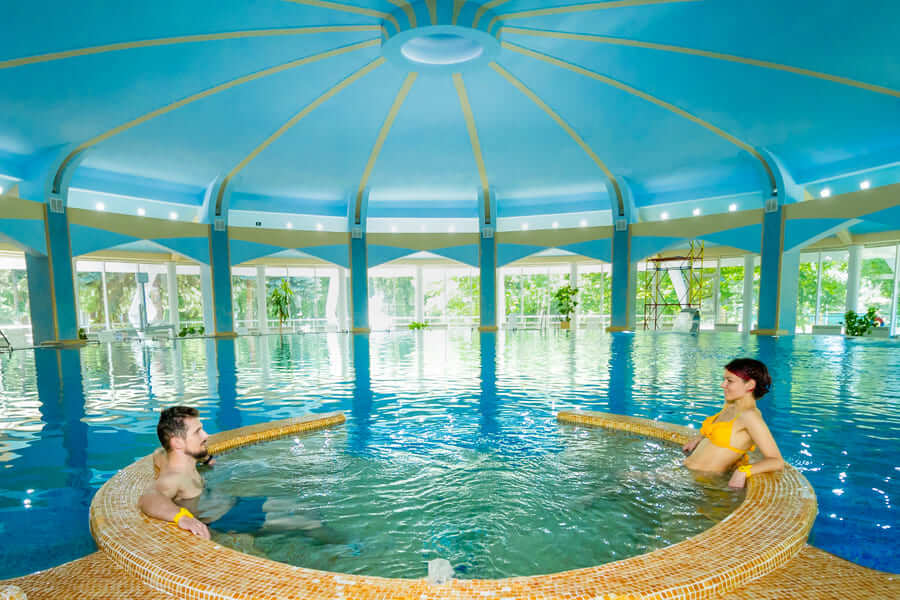
The pool is styled as a Kazakh yurt with a domed roof. The water is heated, and there is hydromassage, cascade and ascending showers, a jacuzzi and saunas. A separate area is provided for young guests.
Leisure facilities include a cinema hall, billiards room, gym and tennis court. Dance evenings, workshops and concerts are held.
The buildings are connected by warm indoor passages. Children are accepted from birth, while treatment is prescribed from the age of 4. There is a children’s room with a teacher and a playground. Children under 6 stay free of charge.
Expected effect of sanatorium treatment
- Abdominal pain, especially after meals, disappears or decreases significantly.
- Diarrhea and constipation improve.
- Bloating and heaviness decrease.
- Appetite returns, and food brings pleasure rather than discomfort.
- Weight normalizes.
- Overall well-being improves: fatigue decreases and energy appears.
Price of a gastrointestinal treatment package at the Kazakhstan Sanatorium
The cost depends on the season, room category, length of stay and selected treatment program. Additional examinations and expanded therapeutic methods may be prescribed individually.
What is included in the gastrointestinal treatment package?
- Accommodation in the selected room category.
- Three meals a day according to the menu-order system.
- Examination by a therapist and gastroenterologist.
- Mineral water drinking therapy 3 times a day.
- A course of therapeutic procedures.
- Access to the pool, gym, sports grounds and free entertainment program.
Frequently asked questions about gastrointestinal treatment at the sanatorium
Can I receive gastrointestinal treatment without a doctor’s referral?
Yes. However, without a health resort card the doctor will not have the full picture of the disease, which may affect treatment effectiveness. You will have to undergo diagnostics on site, which takes extra time and requires additional expenses. We recommend completing a basic examination at your place of residence so that the doctor can immediately prepare an effective program.
How many days should I come for treatment?
The minimum duration is 10 days. For chronic diseases, 14-18 days is optimal, as this allows full courses of physiotherapy and mud therapy. Short stays are suitable only for preventive purposes in healthy people.
Is the sanatorium suitable for chronic stomach and intestinal diseases?
Yes, this is one of the sanatorium’s main profiles. Doctors have experience treating peptic ulcer disease, pancreatitis and colitis, including after surgery. The main condition is stable remission.
Is the pool included in the package?
Yes, pool access is included in the price.
Where can I find the current package price?
On the official website of the Kazakhstan Sanatorium in the Prices and Booking section. You can also call the booking department, and a manager will tell you about special offers.